LegacyLEGACY
A family. A brewery. A tradition that crossed a century and returned.
The Czell legacy
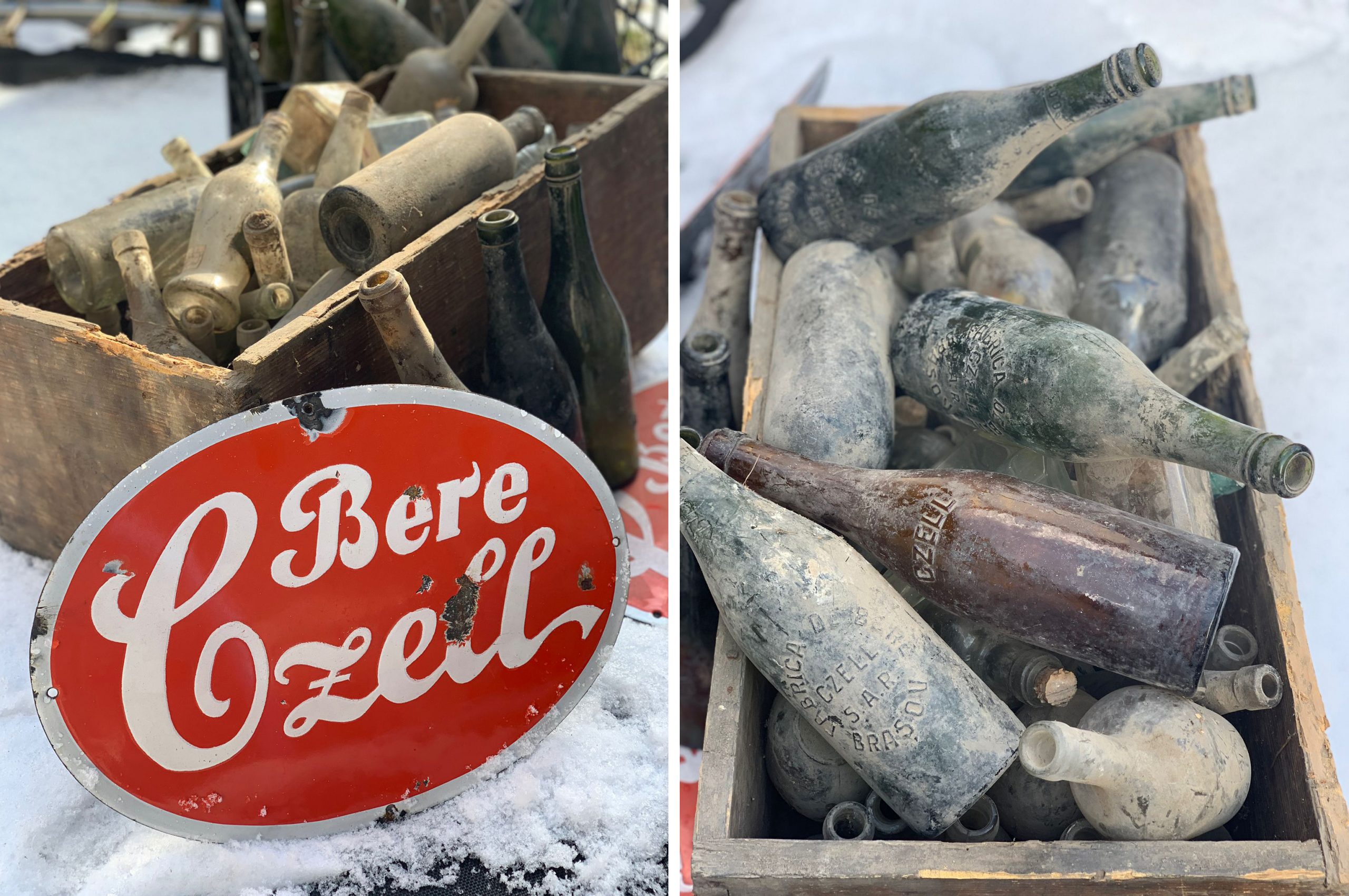
A tradition that began in 1893. A recipe recovered from history. A beer brought back to life, just as it was first created.
Starting from the original recipe and the methods of the time, the beer was faithfully recreated in the present, continuing a tradition that began in Transylvania at the end of the nineteenth century.
The buildings in the city that still bear the family name remain here more than a century later, and we set out to bring back to Brasov's tables the beer they left behind.
Timeline
1816 → 1948 → 2026. An industrial history interrupted and rediscovered.
1816
The birth of an entrepreneurial spirit
On September 19, 1816, Friedrich Thomas Czell was born, the son of a wool textile producer. Even in childhood, he showed a strong entrepreneurial instinct, using his own savings to buy and resell various goods.
1840
Technological innovation and the start of industrialisation
In 1840, Friedrich Thomas Czell left for Vienna to train in spinning technology. With his savings, he purchased a machine from Bohemia and installed it in Brasov, modernising local textile production.
1855
Expansion into international markets
The Friedrich Czell & Sohne concern was founded in 1855, focusing primarily on exporting sheep wool to the British Empire and strengthening the family's economic presence.
1860
Diversification and economic growth
Around 1860, Friedrich Czell expanded his industrial activity, opening a small brewery and a spirits factory while developing an integrated production model.
1863
Regional impact and local prosperity
To secure raw material for the distillery, Friedrich Czell promoted potato cultivation around Brasov, contributing to the prosperity of nearby rural communities.
1868
Industrial expansion and economic integration
The Czell concern continued to grow by opening a match factory and another distillery, while integrating nearby animal farms into the production system.
1870
Trade in alcoholic beverages
In 1870, Friedrich Thomas Czell and his brother-in-law Paul Artz founded a wine and spirits trading firm, broadening the group's presence in the drinks market.
1871
Official recognition in the urban trade
Following a municipal auction, Czell & Artz became one of the three companies authorised to lease the drinks trade in Brasov.
1874
Energy resources and industrial infrastructure
Friedrich Czell became the owner of the coal mine in Vulcan, Brasov, securing key energy resources for the industrial network built by the family.
1877
Family continuity and European expansion
After the early death of Paul Artz, the business was taken over by Friedrich Czell and his sons, who expanded wine exports and distribution networks across the region.
1887
Monastic brewing heritage
In 1887, the Czell company leased the brewery in Manastur, Cluj, continuing a local brewing tradition that dated back to the sixteenth century.
The sugar industry at scale
That same year, the Czell concern built and launched the sugar factory in Bod, a major industrial project completed in just eight months with a workforce of roughly 2,000 people.
1890
Industrial consolidation and modernisation
The concern acquired the Quittner liqueur factory in Darste and modernised it, bringing the brand back into the economic circuit.
1891
Beer production centralised
The Czell family acquired several small regional breweries, including Brasov's first brewery, which became the nucleus of their modern brewing operation.
1892
Continuity and expansion after the founder
Construction began on the new brewery in Darste while the family's businesses continued to expand after Friedrich Czell's passing.
1893
The birth of Bere Czell
The Czell brewery in Darste was completed in 1893, and on October 15 the first bottle of Bere Czell left the gates, marking the official start of industrial production.
A social space and urban culture
A Czell beer hall opened nearby, becoming an important meeting point for the community thanks to concerts and a lively social atmosphere.
1948
Deportation and confiscation
In 1948, the Czell family was deported from Romania and all of their properties were confiscated by the state.
Nationalisation and a change of identity
The brewery in Darste was nationalised and renamed Aurora, severing the direct continuity of the Czell identity.
1962-1965
Expansion and planned industrialisation
During the communist period, the brewery was expanded and modernised, and new beer styles were introduced as part of state-run industrial programmes.
1992
Claimed continuities and symbolic dates
The industrial platform continued under new identities after 1990, but the historical distinction remained clear: the original Bere Czell began in 1893.
1995
Privatisation and economic transition
The Aurora brewery was privatised in 1995, marking the shift from state ownership to a fully Romanian private company.
2020
Rediscovering the original recipe
Lorand Toth discovered a laboratory certificate dating from around 1900 that preserved the original Czell recipe, beginning a long experimental brewing process to revive the lost taste.
2021
From research to a cultural concept
At the same time, Edomer Toth deepened the historical research and started building the Czell collection, shaping the idea of a cultural and gastronomic space around the brand's heritage.
2022
Bere Czell returns to production
Working with brewmaster Simonffy Arpad, the Toth brothers restarted production in the twenty-first century, relaunching Czell as a modern craft beer rooted in the historic recipe.
2026
A contemporary space for a rediscovered history
In 2026, Brauhaus Czell opened in Council Square in Brasov, followed by the Czell Brau Museum and nano-brewery, bringing together history, collection and brewing in one living space.
Lake Noua
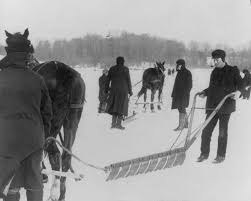
Lake Noua was arranged at the end of the nineteenth century at the initiative of the Czell brothers as a natural ice reserve for cooling beer. During winter, the frozen surface was cut by hand into large blocks and stored in cellars insulated with sawdust and straw, the standard industrial refrigeration method before mechanical cooling.
These blocks of ice ensured controlled fermentation and beer preservation throughout the year.
The Czell family's first beer cellars were dug into the grottos on Andrei Barseanu Street, where constant temperatures and natural ice allowed the beer to mature in optimal conditions.
The poplars on Calea Bucuresti
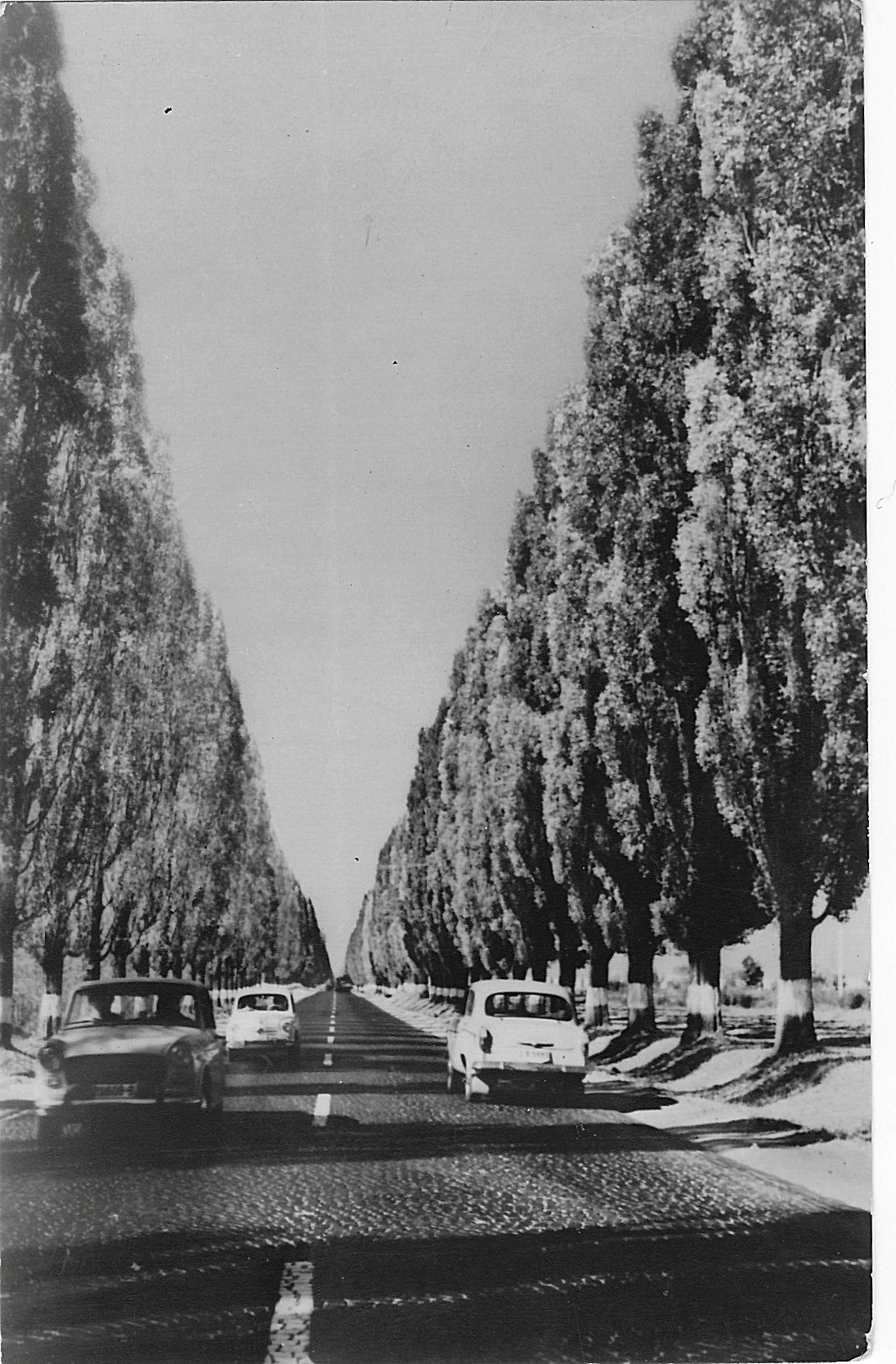
At the end of the nineteenth century and the beginning of the twentieth, a long line of poplars was planted along Calea Bucuresti, attributed to the initiative of the Czell brothers.
Their role was practical: to create permanent shade for transporting beer in barrels towards Brasov's old centre. Protecting the load from direct sunlight helped preserve low temperatures, essential for beer quality before modern refrigeration.
For almost a century, the poplars shaped one of the city's main arteries and became part of Brasov's urban landscape.
After 1989, the alignment was gradually lost due to storms and deforestation, disappearing from much of the contemporary landscape.
The Czell Palace
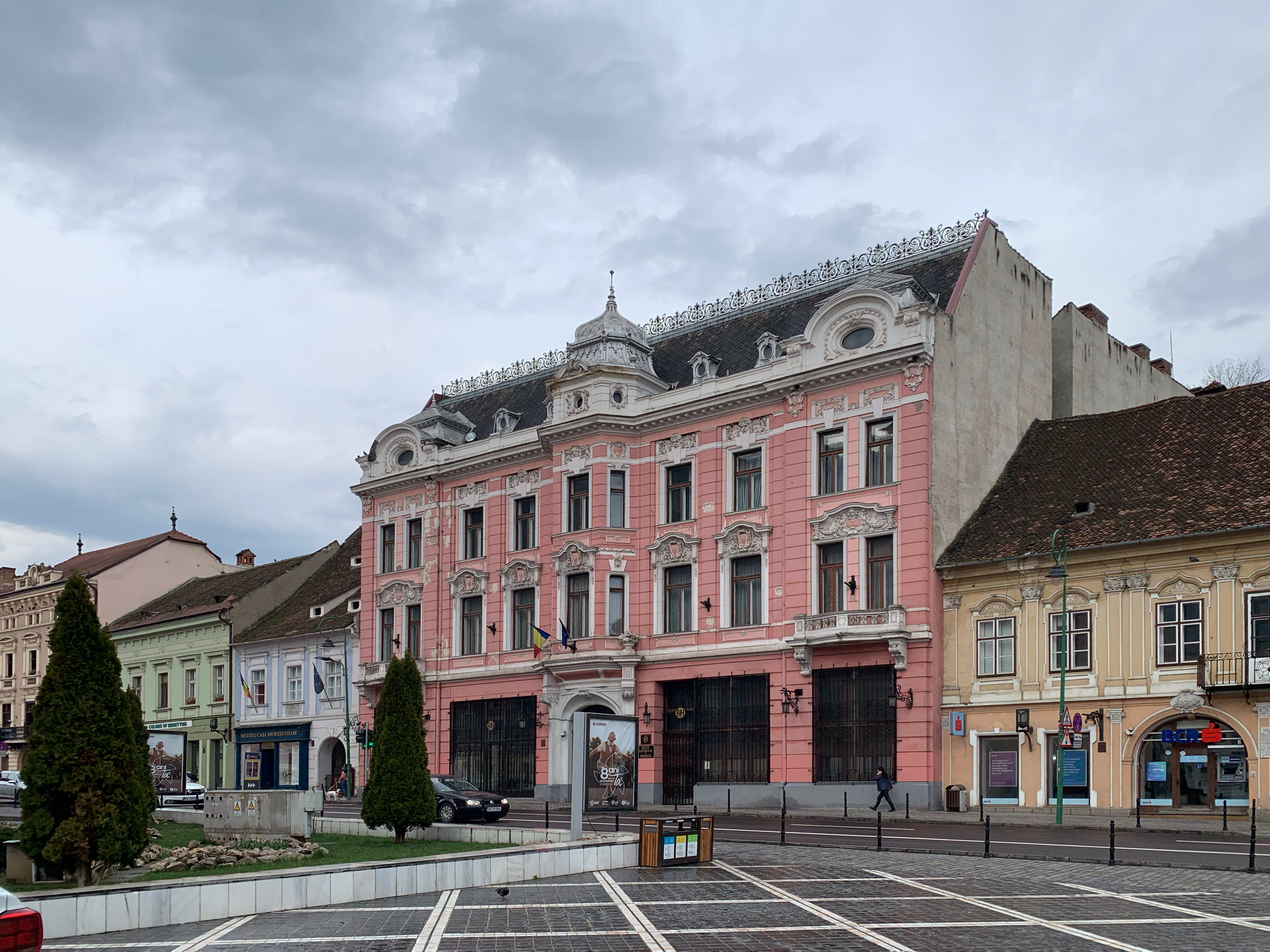
The Czell Palace was built at the beginning of the twentieth century as the urban residence and representative headquarters of the Czell family, reflecting the status of one of Brasov's most important brewing dynasties.
Designed in an eclectic style with secessionist influences specific to the Austro-Hungarian period, the building stands out through its decorative facade, generous volumes and dual role as both residence and business headquarters.
Located on Muresenilor Street, the palace remains an architectural landmark in the historic centre, a witness to the era when the beer industry played a decisive role in Brasov's urban growth.
After 70 years
The original recipe returned to the glasses of Brasov.
The story began with an archival document, a fragment of history recovered and transformed once again into living beer.
Today, the Czell legacy can be experienced in full: through documents, period objects and beer recreated using the historic method, in its new home, Czell Brauhaus, in the heart of the city, in Council Square.
Visitors are invited to explore the story, see the heritage and taste its result.